
40 years of innovation – stories from Linköping Science Park
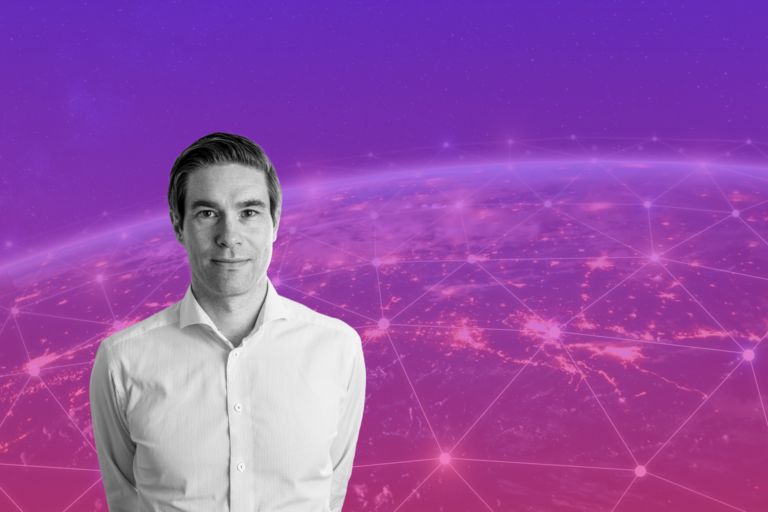
Torbjörn Kronander, Group Chief Executive and CEO of Sectra, is a central figure in the Linköping Science Park ecosystem and one of Sectra’s co-founders. His chapter reflects on the company’s evolution from a university spin-off to an international force in medical technology and security.
Kronander’s independent approach was apparent early in his career; he initially hesitated to join Sectra, finding the founders overly academic. However, he realized he had to accept the role of CEO when his colleague stepped down, as leaving the company he helped build was not an option. He holds a PhD in signal processing and mathematics, yet maintained a strong interest in technology paired with medicine. This self-determined focus was a constant throughout his development.
Sectra’s early breakthrough was rooted in tackling a straightforward logistics problem: the physical transport of X-ray films. At the time, hospitals relied on frequent taxi rides to shuttle films between locations such as Lindesberg and Örebro because technology for digital transfer did not exist. Sectra worked to develop digital image transfer capabilities, which emerged from a Vinnova-funded project based on university research. Just three years later, this work resulted in the establishment of one of the world’s first digital radiology departments in Mjölby, built on standard computer platforms.
Kronander emphasizes the necessity of a strong connection between the university and the companies located in the Science Park. He argues that leaders benefit from having a PhD, as it provides an inherent understanding of the academic environment, which is founded on openness and publishing information. For collaboration to be effective, he believes it must be long-term and mutually beneficial. This dynamic has characterized Sectra’s engagement, which includes co-founding the Center for Medical Image Science and Visualization (CMiv).
Reflecting on his leadership style, Kronander states:
“I’ve always been better at giving orders than taking them, and if I’m to obey someone, that person must be extremely rational and understand technology and what I’m saying.”
This text is part of the article series based on Linköping Science Park’s 40-year book, which is available here