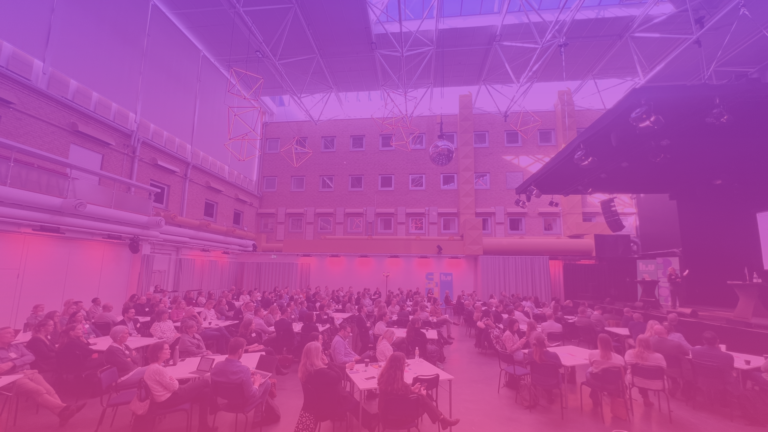

When international talent and companies meet at a traditional career fair, the outcome is often uncertain. CVs are exchanged, conversations are brief, and the next step depends on follow-up emails and timing.
For one candidate at Ideon Science Park Career Day Tech 2024 in Lund, the experience looked different.
Through the Switch to Sweden matchmaking tool, the candidate was matched with Prevas T&M before the event even started. The matching was based on hard and soft skills used to identify potential alignment with the professional profiles desired by the company.
“I wasn’t sure about the matchmaking results at first,” the candidate says. But since I successfully got the job through the event, I would say it worked quite well.”
A smoother first meeting
The initial conversation at the event felt different from a typical job fair interaction.
Because the matching had already taken place, the first meeting wasn’t about basic screening. It was already relevant.
“Since a good match was done at first complemented with the CV or competence scanning already, the meeting at the event was smooth as my profile was of interest to the company.”
Instead of starting from scratch, both sides entered the conversation with a shared foundation. That reduced uncertainty and lowered the threshold to continue the dialogue.
From meeting to next step
In many career fair settings, candidates rarely get the opportunity to move directly into an one-on-one meeting format. The matchmaking setup changed that dynamic.
“In a normal job fair, it doesn’t usually provide the candidate with a chance to have a meeting with a ‘matching’ company. The service you provided makes this more efficient, and also effective.”
The initial matching created a first round of alignment. The on-site meeting then became a meaningful step forward, not just an exploratory conversation.
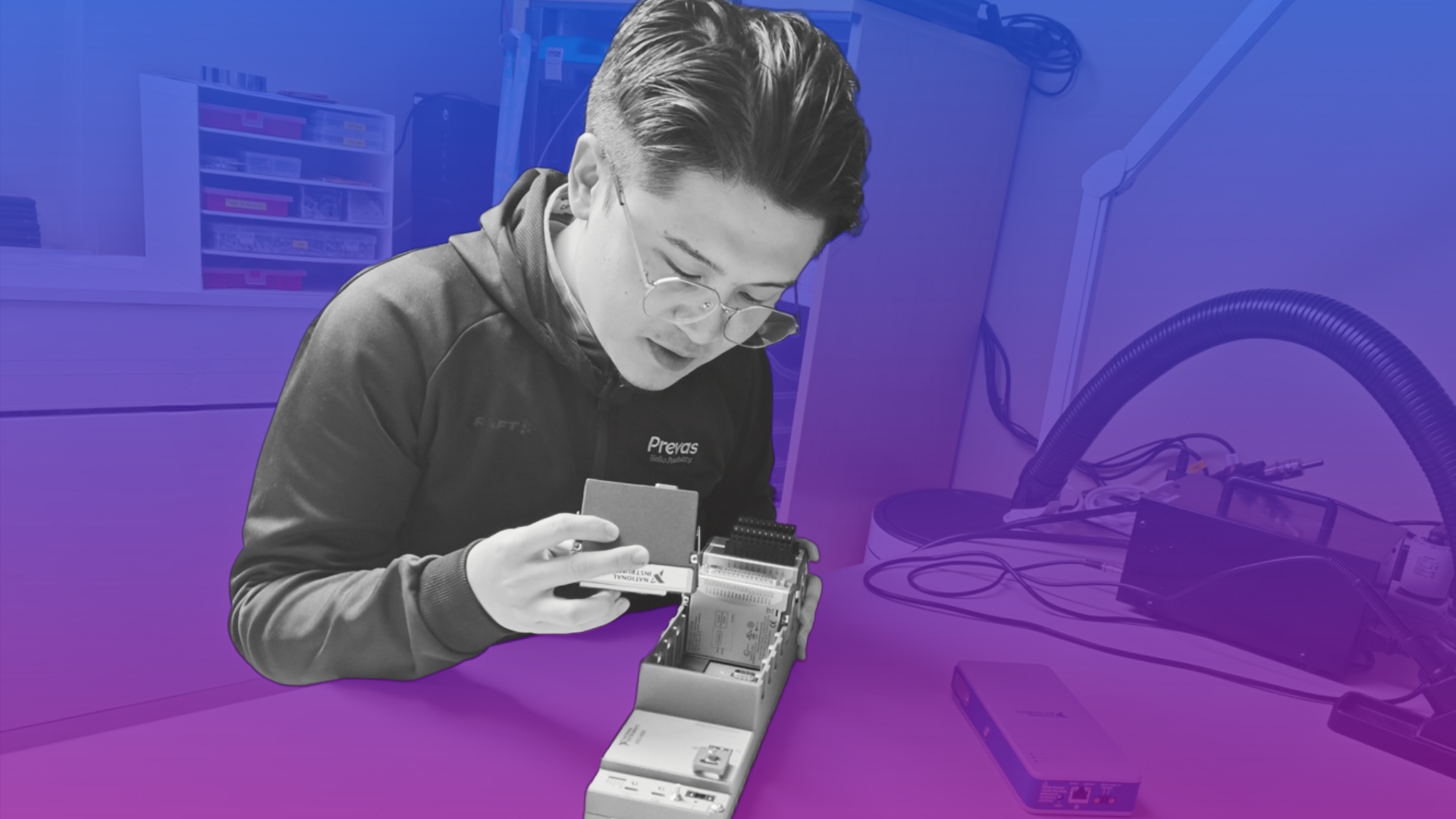
The result? A concrete next step that eventually led to employment at Prevas.
Skills before titles
A key factor in the process was the focus on competence rather than formal roles.
“It aligns the competence that the candidate has with what the company wants. And the most important thing is that they matched well, making the following process more efficient.”
For early-career international talent especially, job titles don’t always capture the full picture. A skills-based approach helps surface potential beyond predefined roles, increasing the likelihood of relevant matches.
Reducing friction – without removing commitment
The candidate notes that participating in the matchmaking process requires time and preparation, such as completing a profile and uploading a CV.
But this investment replaces scattered applications with targeted, competence-based matching.
“Every job application is more or less like this.”
In this case, the structured process paid off.
More than a job opportunity
Beyond the final outcome, the experience itself stood out.
“I guess I am more impressed than expected by the successful matching.”
The matchmaking function did not only facilitate contact – it created a structured opportunity for a relevant meeting, something that traditional formats rarely guarantee.